Call us for free consultation


A defective product can cause serious injuries in an instant. Whether a power tool malfunctions at a construction site in Center City, a defective vehicle crashes on I-95, or a dangerous household product causes a fire in a Philadelphia home, consumers and workers can be seriously harmed when a product does not work as safely as it should.
Product defects can involve almost anything people use every day, including vehicles, machinery, tools, medical devices, household appliances, children’s products, and other consumer goods. A defect may exist in the product’s design or manufacturing, or a manufacturer may fail to provide adequate warnings about a known danger. When a defective product causes an injury, determining who is responsible can require a detailed investigation.
Langdon & Emison represents victims of defective products in Philadelphia and throughout Pennsylvania. If you or a loved one was injured by a defective product in Philadelphia, call an experienced product liability lawyer like Langdon & Emison on 866-931-2115 to discuss your legal options.
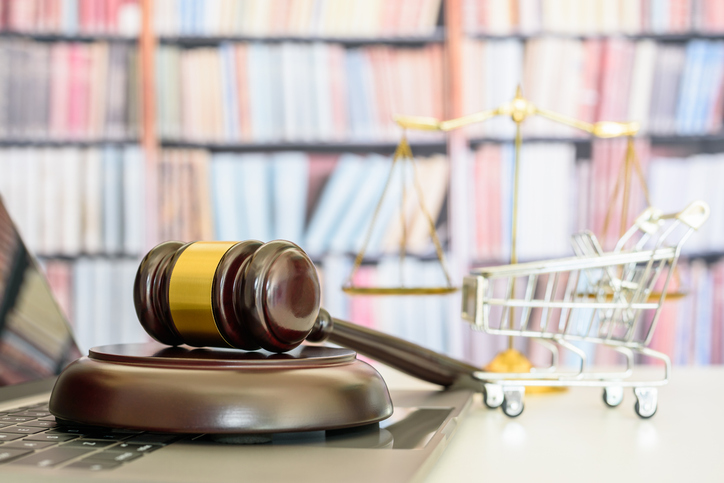
Product liability is the area of law that addresses injuries caused by products that are defective or unreasonably dangerous. Unlike an ordinary accident caused by a person’s careless conduct, a product liability case focuses on whether a problem with the product itself contributed to the injury.
A product can generally be defective in several ways:
A design defect exists when a product’s basic design creates an unreasonable safety risk. The problem exists before the product is manufactured, meaning products made according to the same design may carry the same danger.
A manufacturing defect occurs when something goes wrong during the production or assembly of a product. The intended design may be safe, but an error during manufacturing causes a particular product or batch to differ from that design.
A product may also be defective when a manufacturer or other responsible party fails to provide adequate warnings or instructions about a foreseeable danger. Consumers need sufficient information to understand how to use products safely and avoid known risks.
For a product liability claim, it is not enough that a product was dangerous or that an injury occurred while someone was using it. The available evidence generally must establish a connection between the product’s defect and the injury.
That investigation can be particularly important when the product was purchased or used in Philadelphia but was designed, manufactured, or distributed by companies located elsewhere.
If you were injured by a defective product in Philadelphia, Pennsylvania law may govern your claim. Pennsylvania product liability law can apply to injuries caused by defective products and may allow an injured person to pursue compensation from parties responsible for placing a dangerous product into the stream of commerce.
Pennsylvania recognizes several types of product defect claims, including those involving:
Pennsylvania law can also involve important questions about strict liability, negligence, causation, comparative fault, and the statute of limitations. The specific legal standards that apply can depend on the product, the nature of the defect, when and where the injury occurred, and the parties involved.
Pennsylvania’s comparative fault rules may also affect the amount an injured person can recover when their own conduct contributed to an accident. Because product liability cases can involve complex legal and factual issues, determining which claims apply requires examining the specific circumstances of the injury.
If you were injured by a defective product in Philadelphia, an attorney can investigate the product and accident, identify potentially responsible parties, and determine which Pennsylvania laws apply to your claim.
A defective product can cause an injury almost anywhere. The location of an accident may also provide important context about how a product was being used and who may have responsibility for the resulting harm.
Product-related injuries can occur:
The fact that an injury happened in Philadelphia does not necessarily mean the responsible company is located in Philadelphia or even in Pennsylvania. Manufacturers, suppliers, and distributors may be located across the country or around the world. Identifying where the product came from and which companies were involved in bringing it to consumers can therefore be an important part of a product liability investigation.
A defective product does not always cause an injury in the same way. Sometimes the defect triggers the accident itself. In other cases, the accident happens for another reason, but the defective product fails to protect the user and makes the resulting injuries more severe.
For example, a defective brake component could prevent a driver from stopping, while a defective seatbelt could fail during a crash caused by another driver. A power tool may malfunction while someone is using it, or a defective electrical appliance could overheat and start a fire.
Serious injuries associated with defective products can include:
Establishing the connection between a product defect and an injury can require more than simply showing that the product malfunctioned. An investigation may need to determine what the product was designed to do, how it actually performed, and whether the defect contributed to the accident or resulting injuries.
A defective product may pass through many hands before reaching a consumer in Philadelphia. Depending on the circumstances, more than one company may potentially be responsible for an injury.
Potentially responsible parties can include:
The company that designed or manufactured the finished product may be responsible for a defective design, manufacturing problem, or inadequate warning.
Many products contain parts manufactured by other companies. A defective component, such as a vehicle airbag, tire, machine part, or electronic component, may create liability for its manufacturer.
A supplier may potentially be responsible when a defective material or component it provided contributes to the finished product’s dangerous condition.
Companies that distribute products through the supply chain may potentially face liability depending on their role and the circumstances of the claim.
A store or other seller may be a potential defendant in certain product liability cases, depending on Pennsylvania law and the retailer’s involvement with the product.
Some cases involve additional entities that designed, tested, modified, installed, or maintained a product. Determining responsibility requires examining the product’s history and the roles of the companies involved.
A product liability claim can therefore extend well beyond the manufacturer whose name appears on the packaging. Tracing the product through the supply chain and identifying the companies involved can be an important part of building a claim.
Product liability cases can put injured people up against manufacturers, suppliers, and other companies with substantial resources. Langdon & Emison has experience handling complex product liability and catastrophic injury cases and represents clients nationwide, including those injured in Philadelphia and throughout Pennsylvania. Our attorneys have recovered $1 billion for our clients and have the resources to investigate the product, work with qualified experts, and pursue the compensation you need for both your immediate and future losses.
A defective product can change your life in an instant. Whether you were injured by a vehicle component, piece of equipment, household product, medical device, or another dangerous product, determining who is responsible may require a thorough investigation.
If you were injured by a defective product in Philadelphia, Langdon & Emison can help investigate what happened and identify the parties who may be responsible. We can pursue compensation for medical expenses, lost income, pain and suffering, disability, and other losses resulting from your injury.
Call Langdon & Emison at 866-931-2115 to discuss your Philadelphia product liability case.
Pennsylvania generally imposes a limited period for filing personal injury claims, but the deadline can vary depending on the circumstances. Certain situations may also affect when the limitations period begins. Because missing the applicable deadline can prevent you from recovering compensation, it is important to discuss your case with an attorney promptly.
Potentially. The fact that a product was purchased in Philadelphia does not necessarily limit your claim to Philadelphia companies. Depending on the circumstances, a manufacturer, distributor, supplier, or other company involved in the product’s distribution may potentially be responsible.
Potentially. Workers injured by defective products may have rights beyond workers’ compensation, particularly when a third-party manufacturer, supplier, or another company is responsible for the defective product. The circumstances of the accident will determine what claims may be available.
A secondhand purchase does not automatically prevent a product liability claim. However, whether you can recover compensation may depend on the product, the parties involved, how it was sold, and Pennsylvania law.
Yes. A defective product may involve multiple manufacturers, component suppliers, distributors, or other companies. An investigation can help determine each party’s role in designing, manufacturing, distributing, or selling the product.
You may still have a product liability claim. Many products used in Philadelphia are manufactured or distributed by companies located elsewhere. Determining which state’s law applies and where a claim can be filed can involve complicated jurisdictional issues.
Useful evidence may include the product itself, photographs, receipts, packaging, instruction manuals, warranties, maintenance records, medical records, accident reports, witness statements, and communications with the manufacturer or seller. Depending on the case, expert testing and analysis may also be necessary.
Potentially. A recall may provide evidence that a manufacturer or regulator identified a safety problem, but a recall alone does not establish liability for your particular injury. The investigation must determine whether the recalled defect caused or contributed to the accident.
When a defective product causes a death, surviving family members may be able to pursue a wrongful death or survival claim. The damages and procedures available depend on the circumstances and applicable Pennsylvania law.