Call us for free consultation


Consumers trust that the products they use every day are reasonably safe when used as intended. When a defective or unreasonably dangerous product causes a serious injury, the consequences can be life-changing. If you or a loved one has been harmed by a dangerous product, an experienced Kansas City product liability lawyer can help you pursue compensation and hold negligent manufacturers, distributors, and other responsible parties accountable.
Product liability claims are often complex, involving detailed engineering analysis, extensive testing, expert testimony, and powerful corporate defendants. At Langdon & Emison, we have spent more than 40 years handling high-stakes personal injury litigation, representing individuals and families in cases involving catastrophic injuries, defective products, and wrongful death.
Whether your injury was caused by defective machinery, a dangerous consumer product, a faulty vehicle component, or another unsafe product in the Kansas City area, our attorneys have the experience and resources to investigate what happened and build a strong case. Call Langdon & Emison today at 866-931-2115 for a free consultation with an experienced product liability lawyer.
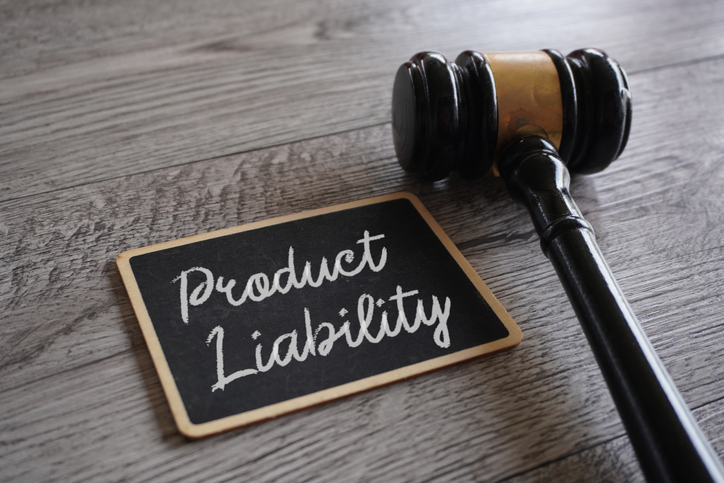
Product liability cases often involve far more than proving that someone was injured. These claims frequently require technical analysis, engineering expertise, extensive investigation, and the resources to take on large manufacturers and their insurance companies. At Langdon & Emison, we represent clients in complex product liability litigation involving catastrophic injuries, wrongful death, and defective products that should never have reached consumers.
Clients choose Langdon & Emison because we offer:
Product liability is an area of law that allows injured consumers to seek compensation when a defective or unreasonably dangerous product causes harm. Manufacturers and other companies involved in designing, producing, or selling products have a responsibility to ensure those products are reasonably safe when used as intended or in a reasonably foreseeable manner. When they fail to meet that responsibility, they may be held legally accountable for the injuries their products cause.
Product liability claims can involve a variety of parties, including:
Not every product-related injury results in a product liability claim. Successfully pursuing a case often requires demonstrating that the product was defective, that the defect existed when it left the responsible party’s control, and that the defect caused the injury.
Because these cases frequently involve technical evidence, engineering analysis, and competing expert opinions, Langdon & Emison works with qualified specialists to investigate defective products and build strong claims on behalf of injured clients.
Not every defective product fails in the same way. Some products are dangerous because of flaws in their design, while others become unsafe during manufacturing or lack the warnings consumers need to use them safely. Identifying the type of defect involved is an important part of determining liability and building a successful product liability claim.
A design defect exists when a product is inherently unsafe because of the way it was designed. Even if every product is manufactured exactly as intended, the design itself creates an unreasonable risk of injury. These cases often involve evaluating whether a safer alternative design was available and whether the manufacturer acted reasonably in bringing the product to market.
Manufacturing defects occur when mistakes happen during the production or assembly process. In these situations, the product’s design may be safe, but an error during manufacturing causes an individual product or batch of products to become dangerous. Examples can include improperly assembled machinery, contaminated products, or components that fail because they were not manufactured to specification.
Some products cannot be made completely risk-free, but manufacturers still have a duty to provide adequate warnings and instructions about known dangers. A failure to warn claim may arise when a product lacks appropriate safety instructions, warning labels, or information about foreseeable risks, leaving consumers unaware of how to use the product safely.
Defective products are found in nearly every industry and can cause serious injuries at home, on the road, in the workplace, or in healthcare settings. At Langdon & Emison, we handle complex product liability cases involving products that fail because of dangerous designs, manufacturing errors, or inadequate warnings.
Examples of products that may be involved in product liability claims include:
Regardless of the type of product involved, successful product liability claims often depend on preserving evidence, identifying how the product failed, and working with qualified experts who can explain the defect and its role in causing the injury.
Product liability cases require a detailed investigation into how a product was designed, manufactured, marketed, and ultimately failed. Unlike many other personal injury claims, these cases often involve technical evidence, engineering analysis, and extensive expert testimony. At Langdon & Emison, we build product liability cases by carefully examining the evidence and identifying where the product or the company responsible fell short.
Our investigation may include:
Product manufacturers often have substantial resources to defend against these claims. Langdon & Emison has the experience and resources to investigate complex cases and present the evidence necessary to pursue accountability.
A defective product can leave victims facing extensive medical treatment, lost income, permanent disabilities, and other life-changing consequences. If a dangerous product caused your injuries, you may be entitled to recover compensation for the physical, financial, and emotional losses you have experienced.
Depending on the circumstances of your case, compensation may include:
Every product liability case is unique. The value of a claim depends on factors such as the severity of the injuries, the evidence establishing liability, and the long-term impact on the injured person’s life.
Product liability cases require a detailed investigation into how a product was designed, manufactured, marketed, and ultimately failed. Unlike many other personal injury claims, these cases often involve technical evidence, engineering analysis, and extensive expert testimony. At Langdon & Emison, we build product liability cases by carefully examining the evidence and identifying where the product or the company responsible fell short.
Our investigation may include:
Product manufacturers often have substantial resources to defend against these claims. Langdon & Emison has the experience and resources to investigate complex cases and present the evidence necessary to pursue accountability.
A defective product can leave victims facing extensive medical treatment, lost income, permanent disabilities, and other life-changing consequences. If a dangerous product caused your injuries, you may be entitled to recover compensation for the physical, financial, and emotional losses you have experienced.
Depending on the circumstances of your case, compensation may include:
Every product liability case is unique. The value of a claim depends on factors such as the severity of the injuries, the evidence establishing liability, and the long-term impact on the injured person’s life. At Langdon & Emison, we work to understand the full extent of our clients’ losses and pursue compensation that reflects the seriousness of the harm they have suffered.
A serious injury caused by a defective product can leave you with lasting physical, emotional, and financial challenges. When manufacturers and other companies place dangerous products into the hands of consumers, they should be held accountable for the harm they cause.
If you believe a defective product caused your injuries, don’t wait to learn about your legal options. Call Langdon & Emison at 866-931-2115 or complete our online contact form to schedule a free consultation with an experienced Kansas City product liability lawyer.
Seek medical attention first, then preserve the product, its packaging, instructions, receipts, and any photographs of the incident. Avoid attempting to repair or alter the product, as it may serve as important evidence.
Yes. A recall is not required to pursue a product liability claim. Many lawsuits involve dangerous products that have never been formally recalled.
You may still have a claim. Product liability laws often protect people who were injured while using a product, even if someone else purchased it.
Possibly. The age of the product is only one factor. Whether you have a claim depends on the circumstances of the defect, when the injury occurred, and the applicable law.
Making changes to a product does not automatically prevent you from bringing a claim. Whether a modification affects your case depends on the nature of the changes and whether they contributed to the injury.
Most product liability attorneys handle these cases on a contingency fee basis. This means you generally do not pay attorney’s fees upfront, and fees are typically paid only if compensation is recovered.
The timeline depends on factors such as the complexity of the product, the amount of evidence involved, the number of parties, and whether the case settles or proceeds to trial. Complex cases often take longer because they require extensive investigation and expert analysis.