
Call us for free consultation


A vehicle is supposed to help protect you when something goes wrong on the road. When a defect causes a vehicle to malfunction—or prevents a safety system from working as intended—the consequences can be devastating. A defective vehicle may cause a crash that should never have happened, or a defect may turn an otherwise survivable collision into a catastrophic injury.
Vehicle defects can involve virtually any part of a vehicle, from its brakes, tires, steering system, and fuel system to its airbags, seatbelts, roof, doors, and electronic safety systems. Some defects stem from the original design, while others occur during manufacturing or involve a component supplied by another company. In some cases, manufacturers may also fail to adequately warn consumers about a known safety risk.
If you or a loved one was injured because of a defective vehicle, contact an experienced product liability lawyer. Call Langdon & Emison at 866-931-2115 to discuss your legal options.
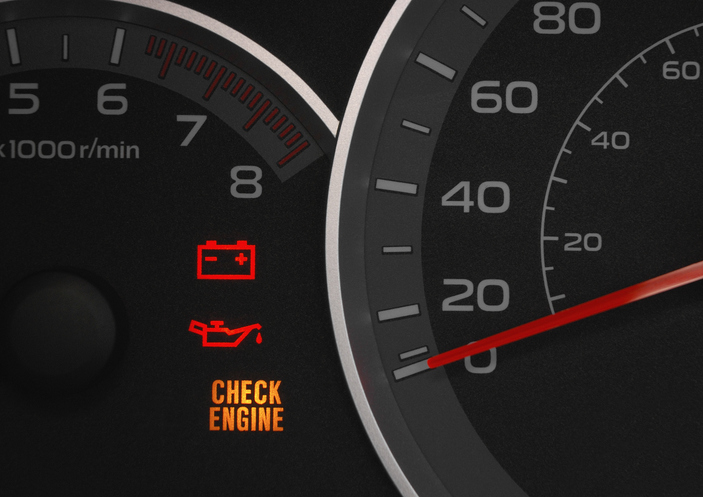
A vehicle defect is a problem with the design, manufacturing, or safety information associated with a vehicle or one of its components that can create an unreasonable risk of injury. A defect does not necessarily mean that every vehicle of the same model is dangerous. A problem may affect a particular component, a specific production run, or the way a vehicle was designed.
Vehicle defects generally fall into three categories:
A design defect exists when the vehicle or component is designed in a way that creates an unreasonable safety risk. The problem is present in the product’s basic design, meaning vehicles or components manufactured according to that design may share the same defect.
A manufacturing defect occurs when something goes wrong during production or assembly. A vehicle or component may differ from the manufacturer’s intended design because of an error in materials, assembly, quality control, or another part of the manufacturing process.
A vehicle or component may also be defective when the manufacturer fails to provide adequate warnings or instructions about a known or reasonably foreseeable danger. Consumers need appropriate information to understand how to safely operate and maintain their vehicles.
A defect can cause injuries in different ways. A malfunctioning component may cause a driver to lose control and crash, while a defective safety system may fail to protect occupants during a collision. In either situation, determining what went wrong and why can be critical to a product liability claim.
Modern vehicles contain thousands of components, and a defect in almost any of them can create a safety hazard. Some defects directly affect a vehicle’s ability to operate, while others involve systems designed to protect occupants during a crash.
Certain design or safety problems can increase a vehicle’s risk of rolling over or increase the severity of injuries during a rollover. Issues may involve vehicle stability, roof strength, or other aspects of the vehicle’s design.
Seatbelts are a critical part of a vehicle’s occupant protection system. Defective latches, retractors, pretensioners, webbing, or other components can cause a seatbelt to fail when it is needed most.
Airbags are designed to reduce the risk of serious injury during certain crashes. Defects can cause airbags to fail to deploy, deploy unexpectedly, or deploy with excessive force.
A defect affecting a vehicle’s braking system can reduce stopping ability or cause a driver to lose control. Problems may involve brake components, electronic systems, or other parts of the braking system.
A steering failure can prevent a driver from maintaining control of the vehicle. Defects may involve steering components, power steering systems, or electronic controls.
Defective tires can fail unexpectedly, potentially causing a blowout, tread separation, loss of control, or a rollover crash.
Problems involving fuel tanks, fuel lines, or other fuel-system components can increase the risk of fuel leaks and vehicle fires, particularly during a collision.
A defective door, latch, or locking mechanism may allow a door to open unexpectedly during a crash, potentially increasing the risk of occupant ejection or other injuries.
Modern vehicles rely heavily on electrical and computerized systems. An electrical or electronic defect can interfere with critical vehicle functions or create hazards such as unexpected movement or fire.
These are only some examples of vehicle defects. Identifying the specific defect often requires examining the vehicle, its components, its history, and the circumstances surrounding the accident.
Vehicle defects can originate at different stages of a vehicle’s design, production, and distribution. A problem may be built into the vehicle from the beginning, introduced during manufacturing, or involve a component supplied by another company.
Common sources of vehicle defects include:
Determining the source of a defect can be complicated. A vehicle may involve numerous manufacturers and suppliers, and responsibility may depend on where a problem originated and what each company knew or should have known about the risk.
Product liability claims involving defective vehicles can involve more than the company whose name appears on the vehicle. Depending on the nature of the defect, several companies or other parties may potentially bear responsibility.
The vehicle manufacturer may be responsible for defects in the vehicle’s design, manufacturing, or safety warnings. A manufacturer may also face liability when it fails to address a known safety problem.
Many vehicle parts are produced by separate companies. A manufacturer of an airbag, tire, brake component, seatbelt, electronic system, or other part may potentially be responsible when its component is defective.
Companies that provide materials or components to vehicle manufacturers may be involved when a defective part or material contributes to an injury.
Depending on the circumstances and applicable law, distributors, dealers, or other businesses involved in placing a defective vehicle or component into the stream of commerce may potentially be liable.
A vehicle defect case may also involve companies responsible for designing, testing, inspecting, modifying, or servicing a vehicle or component.
Identifying the appropriate defendants requires examining the vehicle’s history and determining how the defect developed. Because evidence about design, manufacturing, testing, and prior complaints may be held by different companies, these cases can require extensive investigation and expert analysis.
Proving that a vehicle was defective can require a much closer examination than a typical accident investigation. The vehicle itself, its components, electronic data, maintenance history, and records held by the manufacturer or supplier may all contain evidence about what happened.
Langdon & Emison can work with engineers, accident reconstruction specialists, and other qualified experts to investigate the cause of an accident and determine whether a defect contributed to the injuries. Depending on the circumstances, an investigation may include:
Early preservation of evidence can be particularly important in defective vehicle cases. Repairs, salvage, or disposal of the vehicle can destroy or alter evidence that may be critical to determining whether a defect existed.
A vehicle recall can provide important information about a potential safety problem, but a recall and a product liability claim are not the same thing. A recall generally occurs when a manufacturer or government agency identifies a safety-related defect or problem that requires corrective action.
If your vehicle was recalled before or after an accident, the recall notice may help identify a potentially relevant defect. Records concerning the recall, the affected component, and the manufacturer’s response may become important evidence in an injury claim.
However, a vehicle does not necessarily have to be recalled for a defect to exist. A safety problem may not yet have been identified by the manufacturer or government regulators, or a particular defect may affect only certain vehicles or circumstances.
It is also important to determine whether the recalled problem actually contributed to the accident or injuries. A recall alone does not automatically establish that a manufacturer is legally responsible for a particular injury.
For these reasons, a defective vehicle investigation may involve reviewing recall records alongside the vehicle itself, technical documents, prior complaints, crash evidence, and expert analysis. This broader investigation can help determine what went wrong and whether the identified defect played a role in the injuries.
A vehicle defect can cause a crash, make a collision more severe, or prevent a critical safety system from protecting you when you need it most. Determining what went wrong may require examining the vehicle, its components, electronic data, manufacturer records, and other evidence that can become difficult to preserve over time.
If you or a loved one was injured because of a defective vehicle, Langdon & Emison can investigate the circumstances and pursue compensation for your medical expenses, lost income, pain and suffering, and other losses. Call 866-931-2115 to discuss your legal options.
A vehicle defect is a safety problem with the design, manufacturing, or warnings associated with a vehicle or component. A recall is an action taken to address a known safety issue. A vehicle can potentially have a defect even if it has not been recalled.
No. A recall is not required for a product liability claim to exist. A defect may not yet have been identified by the manufacturer or regulators, or it may affect a limited number of vehicles.
Potentially. Depending on the circumstances, the manufacturer of the vehicle or the company that manufactured the defective component may be legally responsible for injuries caused by the defect.
You may still have a product liability claim if the vehicle defect contributed to your injuries. Other parties, including another driver, may potentially share responsibility. The specific rules depend on the facts of the accident and applicable state law.
Avoid repairing, altering, or disposing of the vehicle until it can be properly evaluated when possible. The vehicle and its components may contain evidence needed to determine whether a defect contributed to the accident.
The deadline depends on the state and circumstances of the claim. Product liability cases can also involve special rules concerning when the deadline begins to run, so it is important to consult an attorney promptly.
Potentially. A vehicle’s age or whether it was purchased used does not automatically eliminate a product liability claim. The availability of a claim depends on the nature of the defect, the parties involved, and applicable law.
Yes, potentially. If the same defect has injured multiple people, each person’s claim is evaluated based on their individual injuries, losses, and circumstances. Evidence from other incidents may also be relevant to investigating the defect.
A manufacturer’s denial does not necessarily end an injury claim. Attorneys and qualified experts can examine the vehicle, component, accident evidence, technical records, recalls, prior complaints, and other information to determine whether a defect contributed to the accident.