
Call us for free consultation


Commercial trucks rely on complex equipment and safety systems to operate safely on the road. When brakes, tires, steering components, trailer connections, cargo securement equipment, or other truck equipment is defective, a failure can cause a serious collision, rollover, jackknife, or other dangerous accident. Defective equipment can also make injuries worse when a crash occurs.
Truck equipment defects can result from problems with a product’s design or manufacturing, defective replacement parts, improper installation, or other failures. Determining what caused an equipment failure often requires examining the truck or trailer, reviewing maintenance and inspection records, and reconstructing the accident.
If you or a loved one was injured in a truck accident involving defective equipment, call Langdon & Emison at 866-931-2115 to discuss your legal options.
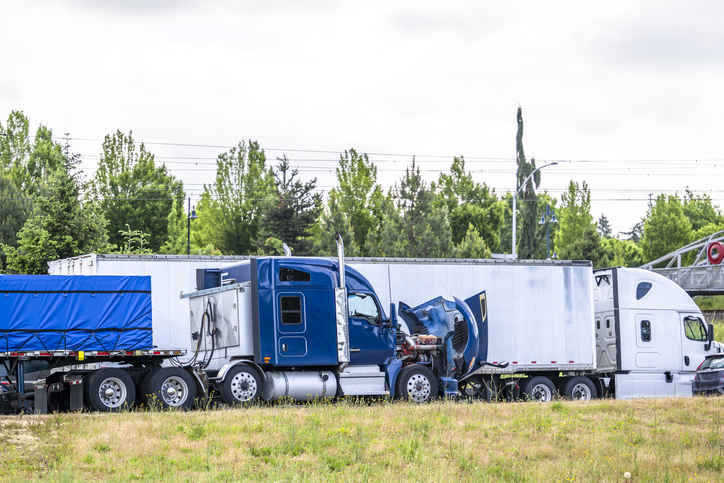
A defective truck equipment case involves an injury caused or worsened by a problem with equipment used on a commercial truck or trailer. Trucks depend on numerous mechanical components and safety systems to operate properly, and the failure of even one component can have serious consequences.
Truck equipment defects can generally involve several types of problems:
A defective component does not necessarily have to cause the entire accident to be relevant to a claim. For example, a defective safety component may make injuries more severe even if another factor caused the initial collision.
Determining whether defective equipment contributed to a truck accident requires looking at the circumstances surrounding the failure, the condition of the equipment, and the actions of the parties responsible for the truck and its components.
A defective truck component can create dangerous conditions for the truck driver and everyone else on the road. Because commercial trucks are large and heavy, an equipment failure that might be manageable in a passenger vehicle can have much more serious consequences when it occurs on a tractor-trailer.
Defective equipment may contribute to a crash in several ways:
Identifying the role of defective equipment in a truck accident may require more than examining the damaged component. Investigators may need to analyze the crash scene, inspect the truck and trailer, review maintenance and inspection records, and reconstruct the accident to determine what happened.
Determining liability after a truck equipment failure can be complicated because multiple companies and individuals may be involved in the truck’s manufacture, maintenance, repair, and operation. The parties potentially responsible will depend on what failed, why it failed, and how the failure contributed to the accident or injuries.
Potentially responsible parties may include:
More than one party may potentially share responsibility for a truck accident. An investigation can help determine where the equipment failure originated and whether a manufacturer, trucking company, maintenance provider, or another party may be legally accountable.
Commercial trucks and motor carriers are subject to federal safety regulations governing the inspection, maintenance, and operation of equipment. The Federal Motor Carrier Safety Regulations (FMCSRs) establish requirements intended to help ensure commercial vehicles and their equipment remain in safe operating condition.
Depending on the circumstances, relevant requirements may address:
A violation of a federal trucking regulation does not automatically establish that a manufacturer or trucking company is legally liable for an injury. However, inspection records, maintenance records, and evidence of regulatory violations may provide important information when investigating how an equipment failure occurred.
In a defective truck injury case, it may be necessary to examine both the condition of the equipment and the conduct of the parties responsible for maintaining it. This can help distinguish a defective product from a maintenance failure or determine whether multiple factors contributed to the accident.
Evidence can be particularly important in truck equipment defect cases because the condition of the truck and its components may change after an accident. Preserving physical evidence and obtaining relevant records as soon as possible can help establish how the equipment performed and whether a defect contributed to the crash.
Important evidence may include:
Preserving this evidence can be critical to determining whether defective equipment played a role in the accident and identifying the parties that may be responsible.
If defective truck equipment causes or contributes to an accident, an injured person may be able to pursue compensation from the parties responsible for the defective product or other contributing factors. The damages available depend on the circumstances of the accident, the severity of the injuries, and applicable state law.
Potential compensation may include:
The value of a defective truck injury claim depends on the specific facts and evidence. A thorough investigation can help establish both the extent of the injuries and the connection between the defective equipment and the accident.
Defective truck equipment cases can involve complex questions about vehicle mechanics, federal trucking regulations, product design, maintenance, and accident reconstruction. Investigating these claims may require significant resources and the assistance of qualified experts.
Langdon & Emison represents clients nationwide in complex trucking and product liability cases. Our attorneys have recovered $1 billion for clients and have the resources to investigate defective truck equipment and pursue claims against manufacturers, trucking companies, and other potentially responsible parties.
When you work with Langdon & Emison, our team can:
A defective truck component can turn a routine trip into a catastrophic accident. Brake failures, tire defects, steering problems, trailer equipment failures, and other equipment defects can cause crashes or make the resulting injuries more severe. Determining what went wrong may require a detailed investigation of the truck, its equipment, maintenance history, and the circumstances of the accident.
If you or a loved one was injured in a truck accident involving defective equipment, call Langdon & Emison at 866-931-2115 or fill out our online contact form to discuss your case.
Yes. A defective brake system or component can reduce braking performance or increase stopping distance, potentially contributing to a serious collision.
Yes. A defective truck tire can experience a blowout, tread separation, or other failure that may cause the driver to lose control.
Depending on the circumstances, liability may involve the equipment manufacturer, truck or trailer manufacturer, supplier, trucking company, maintenance provider, or another responsible party.
Potentially. A trucking company may be responsible if inadequate inspection, maintenance, repair, or another failure contributed to the equipment problem.
You may still have a claim. A defective component can potentially create liability when it increases the severity of injuries even if another factor caused the initial collision.
The deadline depends on the state and the circumstances of the claim. Because statutes of limitations can be strict, it is important to discuss your case with an attorney promptly.
The value depends on factors including the severity of the injuries, medical expenses, lost income, long-term effects, and evidence establishing liability.
An attorney can investigate the equipment failure, preserve evidence, identify potentially responsible parties, and determine whether you may have a product liability or trucking claim.