
Call us for free consultation


Airbags are designed to protect vehicle occupants from serious injuries during a collision. When an airbag fails to deploy, deploys unexpectedly, deploys at the wrong time, or otherwise malfunctions, it can leave occupants vulnerable to devastating injuries. In some cases, an airbag defect can cause injuries that may not have occurred with a properly functioning restraint system or make injuries from a crash significantly worse.
Airbag defects can involve problems with the airbag’s design or manufacturing, as well as failures involving inflators, crash sensors, control modules, wiring, or other components. Determining whether an airbag was defective may require a detailed investigation of the vehicle, crash circumstances, airbag system, and resulting injuries.
If you or a loved one was injured because an airbag failed or malfunctioned during a crash, call experienced product liability firm Langdon & Emison at 866-931-2115 to discuss your legal options.
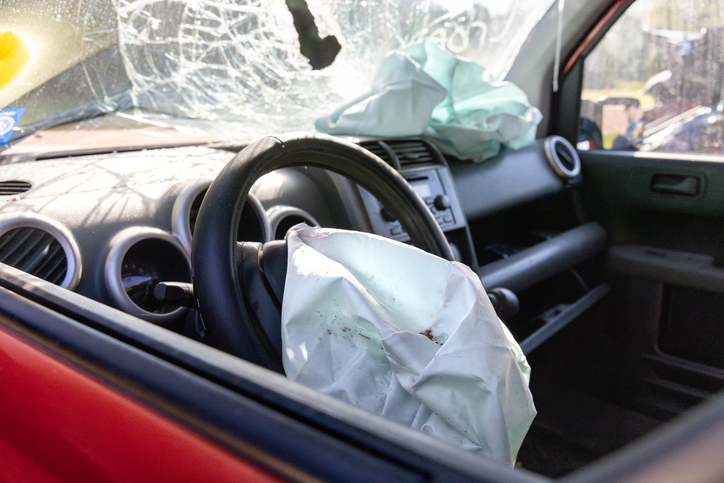
Airbag systems contain multiple components that must work together to detect a crash and deploy the appropriate restraint at the appropriate time. A failure in any of these components can prevent the airbag from providing the protection it was designed to provide or cause it to deploy improperly.
An airbag that fails to deploy during a crash may leave an occupant without an important layer of protection. A failure can potentially result from defective crash sensors, problems with the airbag control module, electrical defects, wiring problems, or defects in the airbag’s design or manufacturing.
However, airbags are not intended to deploy in every collision. Determining whether an airbag should have deployed requires evaluating the specific circumstances of the crash.
An airbag that deploys when it should not can create its own dangers. An unexpected deployment may startle the driver, obstruct visibility, interfere with vehicle control, or directly strike an occupant.
Unintended deployment can potentially result from defective sensors, electrical problems, control-system defects, or other failures within the airbag system.
The inflator is responsible for generating the gas needed to inflate an airbag. A defective inflator may fail to produce sufficient pressure, deploy improperly, or rupture during the deployment process.
Inflator failures can be particularly dangerous because a ruptured inflator may send metal fragments or other debris into the passenger compartment, potentially causing severe penetrating or laceration injuries.
Crash sensors provide information that helps determine when an airbag should deploy. If a sensor fails to detect a qualifying collision or sends incorrect information to the airbag control system, the airbag may fail to deploy or may deploy at an inappropriate time.
Airbags must deploy within a very short period during a qualifying collision. If an airbag deploys too early or too late, it may not properly protect the occupant. The timing of deployment can be particularly important when the occupant is also relying on a seatbelt and other safety systems.
The airbag cushion, seams, housing, and other physical components must withstand the forces associated with deployment. Defects in the materials or construction may affect how the airbag inflates or whether it remains intact during a crash.
Because an airbag system contains numerous interconnected components, identifying the source of a malfunction may require a detailed inspection rather than relying solely on the fact that the airbag did or did not deploy.
A defective airbag can cause injuries directly or fail to protect an occupant from injuries that a properly functioning system may have reduced. The type and severity of the harm can depend on how the airbag malfunctioned, the circumstances of the crash, and the occupant’s position and use of other restraints.
For example, an airbag defect may:
Potential injuries may include:
An airbag defect does not necessarily have to cause the underlying collision for a product liability claim to exist. A crash may have occurred regardless of the defect, but a properly functioning airbag could potentially have prevented or reduced the severity of an occupant’s injuries. Determining whether the airbag’s performance contributed to the harm requires examining the crash, the restraint system, and the resulting injuries.
Determining who is responsible for a defective airbag requires investigating how the airbag system was designed, manufactured, assembled, and installed. Depending on the circumstances, more than one company may potentially be responsible for a defective component or system.
Potentially liable parties may include:
A defective airbag case may involve multiple potential causes and responsible parties. An investigation can help determine what failed, whether the failure was caused by a product defect, how the defect contributed to the injuries, and which parties may be legally accountable.
If a defective airbag caused or contributed to serious injuries, an injured person may be able to seek compensation from the manufacturer or other parties responsible for the defective product. The damages available depend on the facts of the case and applicable state law.
Potential compensation may include:
The value of a defective airbag claim depends on factors including the severity of the injuries, the cost of medical care, the long-term effects on the victim’s life, and the evidence connecting the airbag defect to the harm.
If you believe an airbag failed to deploy or malfunctioned during a crash, preserving evidence can be critical. The vehicle and airbag system may contain information needed to determine what happened, particularly if the vehicle is later repaired, salvaged, or disposed of.
After a crash involving a potential airbag defect:
Taking these steps can help preserve evidence while an investigation determines whether a defective airbag caused or worsened your injuries.
An airbag is designed to help protect you during a serious collision. When an airbag fails to deploy, deploys unexpectedly, or malfunctions during a crash, it can leave you vulnerable to catastrophic injuries or make existing injuries worse. If a defective airbag or component contributed to your injuries, the manufacturer or another responsible party may be held accountable.
Langdon & Emison has extensive experience handling complex product liability and defective vehicle cases nationwide. Our attorneys have recovered $1 billion for clients and have the resources to investigate defective airbag claims, preserve critical evidence, and pursue compensation from responsible parties.
If you or a loved one was seriously injured because of a defective airbag, call Langdon & Emison at 866-931-2115 to discuss your case.
Airbags are not designed to deploy in every collision. Whether an airbag should have deployed depends on factors such as the type, severity, and direction of the crash.
Yes. A defective airbag may fail to protect an occupant or may deploy improperly and cause additional injuries.
Yes. An unintended deployment may occur because of defective sensors, electrical problems, or other defects in the airbag system.
Potentially. If a defective airbag or component caused or worsened your injuries, the manufacturer or another responsible party may be liable.
You may still have a product liability claim. Seatbelts and airbags are designed to work together, and an airbag defect may cause or worsen injuries even when an occupant is properly restrained.
Evidence may include an inspection of the vehicle and airbag system, crash data, accident reconstruction, engineering analysis, medical records, recalls, and evidence of similar incidents.
Yes. Avoid repairing, altering, or disposing of the vehicle or airbag system until it can be properly examined. These components may contain important evidence.
The deadline varies by state and depends on the circumstances of the claim. Statutes of limitations can be strict, so it is important to discuss your case with an attorney promptly.
The value depends on factors such as the severity of the injuries, medical expenses, lost income, long-term effects, and evidence establishing liability.