
Call us for free consultation


Seatbelts are designed to protect vehicle occupants by keeping them properly restrained during a crash. When a seatbelt fails to latch, releases unexpectedly, tears, or otherwise fails to perform as intended, the consequences can be devastating. A defective seatbelt may cause serious injuries that could have been prevented or make injuries from an otherwise unavoidable crash significantly worse.
Seatbelt defects can result from problems with the design or manufacturing of the restraint system, as well as failures involving buckles, retractors, webbing, pretensioners, anchors, and other components. Identifying a defect often requires a detailed examination of the vehicle, seatbelt system, crash circumstances, and occupant injuries.
If you or a loved one was injured because a seatbelt failed during a crash, call a product liability lawyer at Langdon & Emison on 866-931-2115 to discuss your legal options.
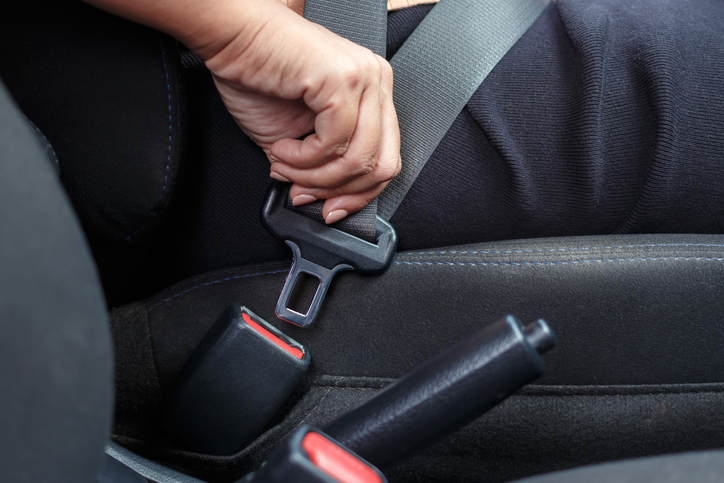
Defective seatbelt cases can involve complex questions about vehicle engineering, crash dynamics, product design, and occupant injuries. Successfully investigating these claims may require substantial resources and the ability to work with qualified experts to determine what went wrong.
Langdon & Emison has extensive experience handling complex product liability and defective vehicle cases on behalf of injured clients nationwide. Our attorneys have recovered $1 billion for our clients and have the resources to investigate claims involving vehicle and component manufacturers.
When you work with Langdon & Emison, our team can:
Seatbelt systems contain multiple components that must work together during a crash. A failure in any one of these components can prevent the restraint from functioning as intended. Depending on the nature of the defect, an occupant may be inadequately restrained, subjected to excessive crash forces, or at increased risk of ejection.
The buckle is designed to keep the seatbelt securely fastened around the occupant. A defective buckle may fail to latch properly, release unexpectedly, or otherwise fail to maintain the connection during a collision. A buckle failure can allow an occupant to move significantly more within the vehicle or increase the risk of ejection.
The retractor controls the amount of seatbelt webbing available and is designed to lock under certain conditions, including sudden deceleration. A defective retractor may fail to lock when necessary or allow excessive slack, reducing the restraint system’s ability to properly protect the occupant.
The webbing must withstand substantial forces during a collision. Defective, damaged, or improperly manufactured webbing may tear, separate, or fail under crash forces. Problems with the material or construction of the webbing can compromise the entire restraint system.
Many modern vehicles use pretensioners that tighten the seatbelt at the beginning of a crash. If a pretensioner fails to activate or does not function correctly, the seatbelt may have too much slack when the occupant needs restraint most.
Seatbelt anchor points connect the restraint system to the vehicle. If an anchor or its attachment to the vehicle is defective, it may fail under crash forces. Improperly designed or positioned anchor points may also affect how effectively the seatbelt restrains an occupant.
A seatbelt’s locking mechanisms are intended to prevent unwanted movement of the webbing or accidental release. A defect in these mechanisms may cause the belt to loosen or release when it should remain secured.
Because multiple components contribute to seatbelt performance, identifying the source of a failure may require examining the entire restraint system rather than focusing on one component in isolation.
A defective seatbelt can contribute to serious injuries even when it did not cause the underlying collision. Seatbelts are intended to control an occupant’s movement during a crash. When the restraint fails, the occupant may be exposed to forces and impacts that a properly functioning seatbelt could have prevented or reduced.
For example, a defective seatbelt may:
Potential injuries may include traumatic brain injuries, spinal cord injuries, fractures, internal injuries, chest and abdominal injuries, severe neck injuries, and other catastrophic harm. In the most serious cases, a defective restraint system can contribute to fatal injuries.
Responsibility for a defective seatbelt may depend on where the defect occurred and which companies were involved in designing, manufacturing, distributing, or servicing the vehicle and its components. In some cases, more than one party may potentially be liable.
Potentially responsible parties may include:
Determining liability requires more than establishing that a seatbelt failed. An investigation must consider why the failure occurred, whether the component was defective, how the defect contributed to the injuries, and which parties may be legally responsible. Evidence from the vehicle, crash scene, medical records, manufacturing information, and expert analysis may all be relevant to establishing a claim.
If a defective seatbelt caused or contributed to serious injuries, an injured person may be entitled to seek compensation from the parties responsible for the defective product. The damages available will depend on the circumstances of the case, the severity of the injuries, and applicable state law.
Potential damages may include:
The value of a defective seatbelt claim depends on the specific facts and evidence. A thorough investigation can help establish both the extent of the injuries and the connection between the defective restraint system and the harm suffered.
A seatbelt should protect you during a crash—not fail when you need it most. If a defective buckle, retractor, webbing, pretensioner, anchor, or other component caused or worsened your injuries, the manufacturer or another responsible party may be held accountable.
Langdon & Emison has extensive experience handling complex product liability and defective vehicle cases nationwide. If you or a loved one was seriously injured because of a defective seatbelt, call Langdon & Emison at 866-931-2115 or fill out our online contact form to discuss your case.
A seatbelt may be defective because of a design or manufacturing defect, component failure, improper installation, or inadequate warnings or instructions.
Yes. A defective seatbelt may allow excessive occupant movement, increase the risk of ejection, or fail to provide adequate protection during a crash.
Potentially. If a defect in the vehicle’s seatbelt system caused or worsened your injuries, the vehicle manufacturer or another responsible party may be liable.
You may still have a product liability claim if the seatbelt failed to restrain you properly or otherwise contributed to your injuries.
Yes. A crash may have occurred regardless of the defect, but a defective restraint system may increase the severity of the resulting injuries.
Evidence may include an inspection of the vehicle and restraint system, crash data, accident reconstruction, engineering analysis, medical records, recalls, and evidence of similar failures.
Yes. Avoid repairing, replacing, or disposing of the vehicle or seatbelt until it can be properly examined. The restraint system may contain important evidence.
The deadline varies depending on the state and circumstances of the claim. Because statutes of limitations can be strict, speak with an attorney as soon as possible.
The value depends on factors including the severity of the injuries, medical expenses, lost income, long-term effects, and evidence establishing liability.
An attorney can help investigate the seatbelt and vehicle, preserve evidence, identify potentially responsible parties, and determine whether you may have a product liability claim.