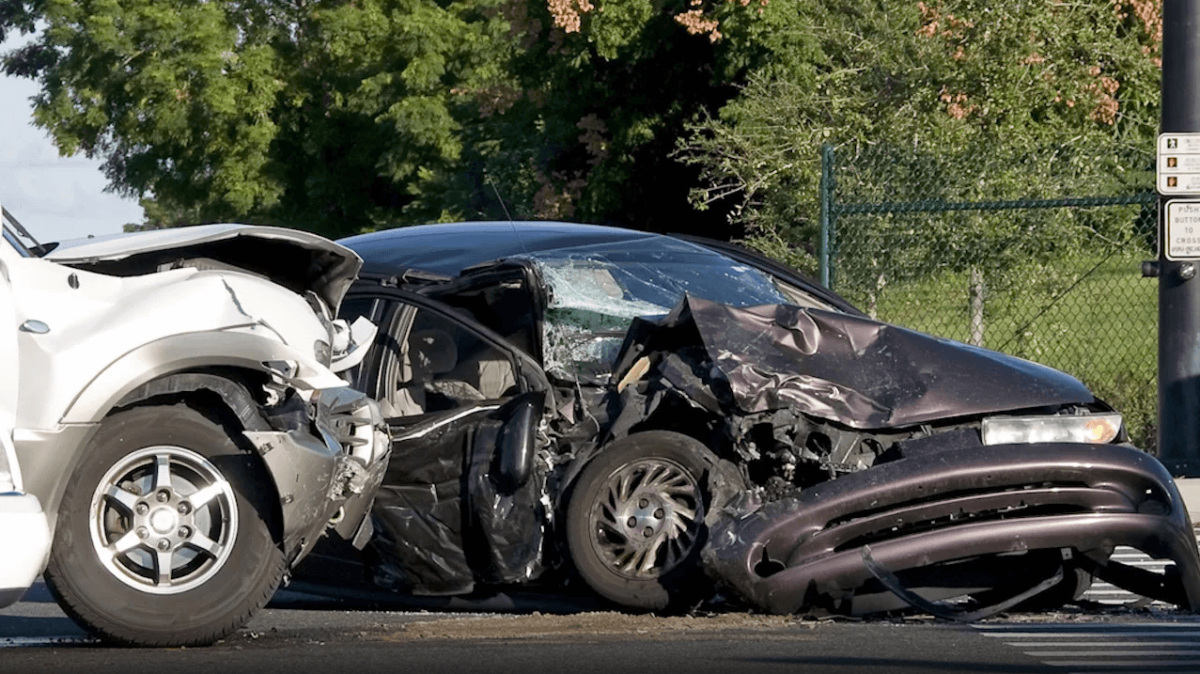


Child Safety and Protection Month is a reminder that the biggest risks to kids are rarely the ones we worry about. They are the everyday things: the car seat in the back, the dresser in the bedroom, the remote on the coffee table.
At Langdon & Emison, we have spent 40 years representing families whose children were hurt by products that should have been safe. Here are the five hazards we see most, with the steps that prevent them.
1. Car seats that are installed or used incorrectly
Car seats work. The National Highway Traffic Safety Administration (NHTSA) estimates that a child safety seat reduces the risk of fatal injury by 71 percent for infants and 54 percent for toddlers in passenger cars.
The problem is how they are used. When certified child passenger safety technicians checked more than 91,000 car seats in 2024, about two out of three were installed or used incorrectly, according to AAA’s review of the National Digital Car Seat Check Form data. The most common mistakes were a loose installation, a tether left unused, a harness that was too loose, and children moved to a seat belt too soon.
The stakes are high. NHTSA reports that in 2023, on average, two children under 14 were killed and 345 were injured every day in crashes while riding in passenger vehicles.
What to do this month:
- Have your installation checked for free by a certified technician. NHTSA’s inspection station locator is at https://www.nhtsa.gov/vehicle-safety/car-seats-and-booster-seats#installation-help-inspection
- Keep children rear-facing as long as the seat allows, then forward-facing with a harness, then in a booster until the adult belt fits properly.
- Register your car seat with the manufacturer so you are notified of a recall.

2. Front seats that collapse in a rear-end crash
This one surprises most parents. In many vehicles, the front seat back is designed to give way in a rear-end collision. When it does, the front occupant is thrown backward into the rear seat, where a child in a car seat is sitting.
A study commissioned by the Center for Auto Safety found that nearly 900 children seated behind a front-seat occupant or in the center rear seat died in rear impacts between 1990 and 2014. Not every one of those deaths involved a seat failure, but experts who reviewed the data believe collapsing seats caused a meaningful share of them. There is still no federal standard that requires front seats to stay upright in a foreseeable rear-end crash.
Our firm has litigated these cases for decades, including a Vermont jury verdict of more than $43 million for a client whose seat collapsed in a rear-end crash.
What to do this month:
- When possible, place a child behind an unoccupied front seat, or behind the lighter of two front occupants.
- If a rear-end crash leaves a child in the back seat with a serious head, neck, or spine injury, do not assume the crash was simply “bad.” Have the seat examined before the vehicle is repaired or scrapped.
3. Furniture and televisions that tip over
A dresser, bookcase, or TV can tip onto a climbing toddler in seconds. The Consumer Product Safety Commission (CPSC) counted 581 tip-over deaths in the United States from 2000 through the early 2020s, and four in five of the victims were children.
There is good news. Congress passed the STURDY Act in December 2022, and the CPSC now enforces a mandatory stability standard for new dressers and similar clothing storage units. The CPSC’s Anchor It! campaign reported in 2025 that tip-over injuries and deaths have fallen by nearly half over the past decade. But furniture bought before the standard took effect is still in millions of homes.
What to do this month:
- Anchor every dresser, bookcase, and TV stand to the wall with the included strap or a kit from any hardware store. Mount flat-screen TVs or anchor them to the furniture and the furniture to the wall.
- Keep remotes, toys, and anything a child might climb for off the top of furniture.
- Check whether older furniture in your home has been recalled at cpsc.gov/recalls.
4. Button and coin batteries
A swallowed button battery can burn through a child’s esophagus in as little as two hours. The CPSC counted 27 deaths and an estimated 54,300 emergency room visits related to button and coin batteries from 2011 through 2021. They are in remotes, key fobs, thermometers, greeting cards, flameless candles, and toys.
Reese’s Law, named for an 18-month-old girl from Texas who died after swallowing a battery, took effect in 2022. The CPSC’s mandatory standard, effective October 2023, requires secured battery compartments and warning labels on most products containing these batteries. Toys are covered by a separate standard, and consumer advocates say gaps remain.

What to do this month:
- Walk through your home and find every device with a coin battery. Tape or secure any compartment that opens without a tool.
- Store loose batteries out of reach and out of sight.
- If you think a child has swallowed a battery, go to the emergency room immediately. Do not wait for symptoms. The National Battery Ingestion Hotline is 800-498-8666.
5. Recalled children’s products still in use
A U.S. PIRG Education Fund review of CPSC data found 420 recall announcements in 2025, and more than one in four involved children’s products: toys, infant sleep products, clothing, and other items. The CPSC also estimates that nursery products were associated with about 71,000 emergency room visits by children under five in a single recent year.
Recalls only work if families hear about them. Most do not. Secondhand products, hand-me-downs, and marketplace purchases are the most likely to be recalled items that no one has pulled.
What to do this month:
- Check every crib, bassinet, inclined sleeper, stroller, high chair, and car seat in your home against cpsc.gov/recalls and nhtsa.gov/recalls.
- Register new products so the manufacturer can reach you.
- Follow safe sleep guidance: a flat, firm surface, no inclined sleepers, no soft bedding.
If a product hurt your child
Most childhood injuries are accidents. Some are not. When a car seat, furniture, battery compartment, or other product fails to protect a child the way it should have, the manufacturer may be responsible.
If that has happened to your family, three things matter in the first days:
- Keep the product. Do not throw it away, return it, or let an insurer take it. The product is the evidence.
- Photograph everything. The product, the room or vehicle, the packaging, and the injury.
- Report it. File a report with the CPSC at saferproducts.gov or with NHTSA at nhtsa.gov/report-a-safety-problem. Your report can protect another family.
Langdon & Emison represents children and families in product defect cases nationwide. If you have questions about whether a product played a role in your child’s injury, call us at 866-931-2115 for a free consultation.
This post provides general safety information and is not legal advice. Every case depends on its own facts. Past results do not guarantee a similar outcome.