
A rear-end collision at 35 miles per hour should not break anyone’s neck. A head-on crash that everyone else walks away from should not paralyze a ten-year-old in the third row. When the injury is far worse than the crash, something in the vehicle usually failed.
We have spent 40 years finding those failures. This post covers six defect categories that come up again and again in cases referred to us, with examples from cases we have handled. It is written for intake staff and referring attorneys who want to know what to look for before a file is closed.
A note before the examples: every case depends on its own facts, and past results do not guarantee a similar outcome.
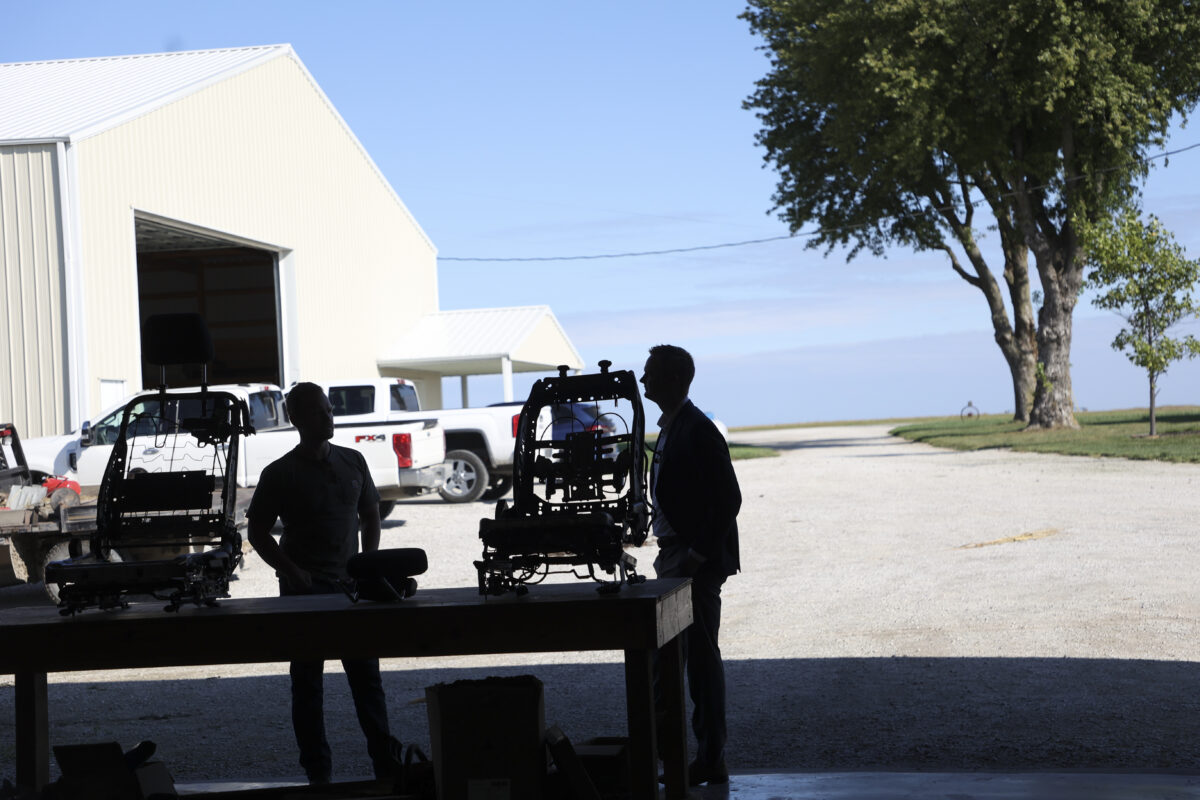
1. Seatback failure
Your client is rear-ended. Their seat breaks or collapses backward. They are thrown into the rear of the car, or into the passenger behind them.
People do not expect their seat to fail in a rear impact, and juries do not either. We see seatback failures across the country, from nearly every major manufacturer.
A woman stopped at a stoplight was hit from behind by a young driver on her phone, at residential speed. Her seat collapsed, she went backward, struck her head on the rear seat, and broke her neck. The offer was so low we tried the case, in Vermont, and obtained a record verdict there.
In another case, a grandmother’s seat broke in a rear impact. She went backward and struck the child behind her with her head, and the child suffered a brain injury. That case also produced a record verdict in the county where it was tried. We have handled two more cases where both front seats collapsed and both children in the back were brain damaged.
One more. A family driving home from a birthday celebration was rear-ended by a drunk driver. The father’s seatback collapsed, and he was driven into his six-month-old daughter, who suffered a severe brain injury. When we dug into the design, we found the seat had failed the manufacturer’s own internal test. We worked that case with co-counsel, and the result is helping her get the support, education, and training she needs to live as independently as possible.
What to screen for: A rear impact, a front-seat occupant who ended up in the back seat, or a rear-seat child injured by an adult in front of them.

2. Seat pans and submarining
Some seats are built without an adequate seat pan, the structure under the cushion that keeps the occupant in place. In a frontal crash, the occupant slides down and forward under the lap belt. That is called submarining. The belt loads the abdomen and spine instead of the pelvis, and the result can be serious internal injury or paralysis.
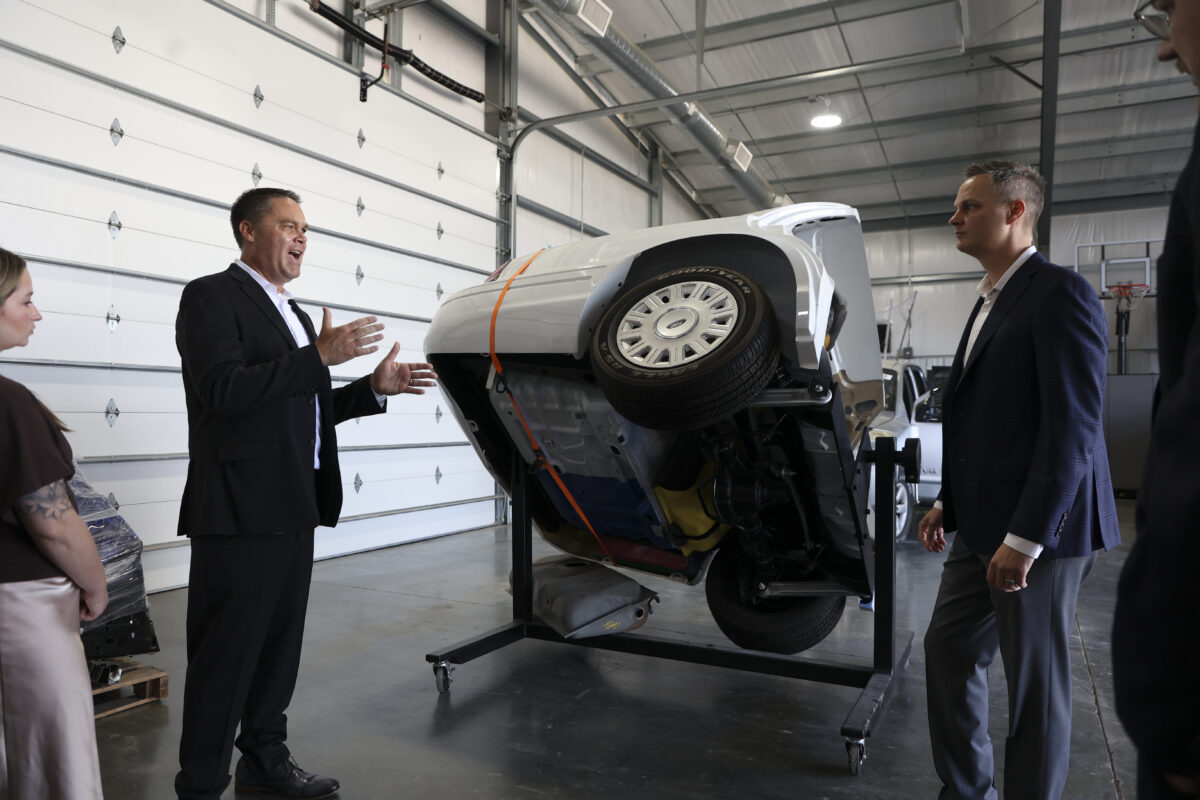
A minivan carrying a mother and five children was hit head-on by a driver who crossed the center line. Everyone walked away except our client, a ten-year-old in the third row. We knew something in that seat had to be wrong. It took months of work with our experts, but we found it: the third-row seat was built so flimsy that in the crash, the child’s seat belt could not do its job and instead contributed to his paralysis. We obtained a very good recovery for him for the defective seat and belt.
What to screen for: A belted occupant with a spinal or abdominal injury out of proportion to the crash, especially in a rear row.
3. Airbags that fire late, or not at all
We have had cases on both ends. Airbags that did not deploy when they should have. Airbags that deployed late, after the occupant was already out of position, causing the very injury they were supposed to prevent.
You will not see this by looking at the car. Deployment timing is read from the vehicle’s event data recorder, the black box, and only a proper download tells you what happened. That is one reason we ask referring attorneys not to try to rule out a defect on their own.
What to screen for: A serious head, neck, or chest injury in a frontal crash where the airbag “went off” or “didn’t go off.” Either answer is worth a download.
4. Seat belts that spool out
In a crash, a pretensioner is supposed to fire and lock the belt tight. When it does not, the belt spools out, and the occupant moves forward into the A-pillar, the steering wheel, or the dash.
What to screen for: A belted occupant with injuries that look like they were unbelted. Bruising patterns and the client’s own account (“I was wearing my belt, but I still hit the windshield”) are the first clue.
5. Vehicle fires
Our rule is simple: if there is a fire, there is a defect. Modern vehicles are not supposed to burn after a survivable crash. If your client’s car burned and they were seriously injured or killed, that case deserves a thorough inspection.
This is also an area where litigation has made cars safer. In the 1980s and 1990s we handled many cases where pickup fuel tanks sat outside the frame rail, unprotected in a side impact, or behind the rear axle. Manufacturers have since moved fuel tanks to better protected locations, and we see far fewer post-collision fires as a result.
What to screen for: Any post-crash fire with a serious injury or death, regardless of who caused the collision.
6. Missing crash avoidance technology
This is the newest category and the one most likely to affect your practice going forward. You have heard about the Tesla cases, but the larger group of cases involves ordinary cars and heavy trucks that were not equipped with available crash avoidance systems: automatic emergency braking, forward collision warning, lane keep assist, and similar features.
These systems are effective. A heavy truck equipped with automatic emergency braking can be brought to a stop from highway speed. When a crash could have been avoided entirely by technology the manufacturer chose not to install, there is a claim to evaluate.
In heavy truck cases, that analysis sits alongside the other claims we look for: maintenance failures, broker and shipper liability, negligent selection of an independent contractor, and product defects that caused the truck to lose control.
What to screen for: A rear-end or lane-departure crash involving a late-model vehicle or commercial truck, especially where the driver never braked.
What to do when you see one of these
If you can, call before the car is gone. Vehicles are destroyed within days of a serious crash, and the defect often goes with them. When you contact us, we locate the vehicle, preserve it, and put our experts on it. We pay the expenses, we do not take any of the underlying insurance, and we can usually give you an answer within a week of receiving the accident report and photographs. If we decline, we tell you why.
If the car is already gone, call anyway. In some cases we can still build a claim without it. And even when we cannot, we will tell you what we looked for and why, so the next file that crosses your desk is easier to screen.
How a referral works with Langdon & Emison
Referring attorneys choose how they want to work with us: a referral fee consistent with the Missouri Rules of Professional Conduct, or a co-counsel role with an active part in the case. Either way, you stay informed, you are credited, and the client stays yours.
The best referral relationships we have were built over time. One referring lawyer in West Virginia has worked with us on a house explosion, a boat explosion, a vehicle fire, an airbag non-deployment, and a trucking case. We bring the product liability and trucking background. They bring local knowledge and an understanding of how cases are tried in their jurisdiction.
We also give presentations to intake staff so they know what to look for. To set one up, or to talk through a case, call 866-931-2115 or visit our Referring Attorneys page.
Frequently asked questions
The crash was minor. Can there really be a defect case?
That is exactly the pattern. A minor crash with a major injury is the strongest sign that something in the vehicle failed.
How do I know if the airbag fired late?
You do not, without a download of the vehicle’s event data recorder. Preserve the car and let us handle the download.
Does it matter who caused the crash?
Not for a defect claim. If a defect made the injury worse than it should have been, the manufacturer may be liable regardless of who caused the collision.
Do you only handle cars?
No. Heavy trucks, and the maintenance, broker, shipper, and contractor claims that come with them, are a major part of our practice.
This post provides general information and is not legal advice. Every case depends on its own facts, and past results do not guarantee a similar outcome.