


A car wreck, a truck crash, a UTV rollover, a sudden death after a pharmacy visit. On the surface, many cases look simple: one at-fault party and one insurance policy. But after 40 years of handling catastrophic injury and product liability cases nationwide, Langdon & Emison has learned that the most important question is often not “Who was at fault?” It is “What else went wrong?”
Here are 10 safety red flags we look for when screening a case. Spotting them early can open more avenues for recovery and protect the evidence your client’s case depends on.
1. Send Preservation Letters the Day You Are Retained
Evidence disappears fast. Trucking companies can sometimes dispose of vehicles within 24 hours of a crash. Electronic data can be overwritten, vehicles get repaired or put back into service, and some records are only kept for a limited time. Preservation letters should cover every vehicle, every separated component, and every tire fragment at the scene.
2. Don’t Assume It’s a Policy-Limits Case
A truck crash that appears to be covered by the driver’s or carrier’s insurance may involve other responsible parties, such as truck, trailer, or component manufacturers, aftermarket modifiers, owners, tire shops, and maintenance or repair companies.
3. Check the Tires, Especially the Steer Axle
In loss-of-control or lane-violation crashes, have the tires examined. Tread separation on a steer-axle tire can cause immediate loss of control. Langdon & Emison’s $23.4 million verdict in Castillo v. Ford began with a tire that de-treaded on a California freeway.
4. Get an Expert Brake Inspection Early
Law enforcement often doesn’t have time to inspect every component. Brakes that are out of adjustment can be a key liability issue, but only if an expert inspects them before the vehicle is repaired or scrapped.
5. In Wheel-Off Cases, Follow the Last Wrench
When a wheel comes off, preserve the wheel, hub, and axle, and get the repair receipts. Find out who last worked on the wheel. Lug nuts torqued too tight or too loose, dirty hubs, and failed bearings are common causes, and lug-nut covers can hide loose nuts during inspections. Langdon & Emison recently secured a $16 million settlement for a Missouri family in a wheel-off case.
6. Ask Whether the Vehicle Made the Injuries Worse
Crashworthiness matters. Many large trucks lack the airbags drivers expect in cars, and most cabs are made of aluminum, so the roof can crush in a rollover. In passenger vehicles, look at seat belts, seat backs, roofs, and fuel systems. Truck drivers can be clients too. If a driver was seriously hurt or killed, ask whether the truck itself contributed to the injuries.
7. Investigate Every Fire
Post-collision fires are often design problems, not just part of the crash. Tank placement, shielding, fuel-line routing, and battery location can all matter. The firm’s landmark Baker v. General Motors case involved two people who died in a fuel-fed fire because the car lacked an anti-siphoning device.
8. Audit the Carrier’s Federal Compliance
Federal Motor Carrier Safety Administration (FMCSA) rules provide a roadmap for negligence:
- Hours of service: Most property-carrying drivers may drive up to 11 hours within a 14-hour on-duty window after 10 consecutive hours off duty, with a 30-minute break after eight hours of driving.
- Impairment: A commercial driver is considered impaired at a blood alcohol concentration of 0.04%, half the limit for most drivers.
- Records to request: ELD data, driver qualification files, drug and alcohol testing results, maintenance records, dispatch communications, black box data, and dash-camera footage.
Incomplete or inconsistent records are a red flag of their own. A regulatory violation doesn’t automatically establish liability, but it can be powerful evidence of negligence and of a company putting profits ahead of safety.
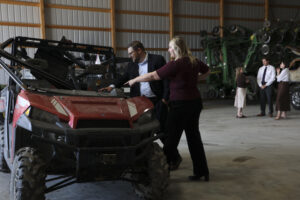
9. Look at Off-Road Vehicles’ Design, Not Just Driver Behavior
In UTV and side-by-side cases, rollover protection and occupant restraints are separate questions. Ask whether a door opened, a seat or its mounts failed, or the roof or windshield was damaged, and whether the vehicle had a seat-belt-linked speed limiter. These are leads to investigate, not conclusions. A crash alone doesn’t prove a defect.
10. Compare the Toxicology to the Prescriptions
After an unexpected death, compare the toxicology findings with the person’s prescriptions. A prescribed drug that’s missing, or an unprescribed drug that’s present, can point to a pharmacy or labeling error. An estimated 7,000 to 9,000 patients die from medication errors every year.
Bonus: Keep the Product
In any product case, the top priority is preserving the product. Make sure it is not repaired, altered, or thrown away. If it’s already gone, a claim may still be possible through photos, purchase records, witnesses, or saved components.
Partner With a Trial Team That Has the Resources
Complex product and trucking cases require top experts, detailed investigation, and the willingness to try a case in front of a jury. Langdon & Emison works with referring attorneys across the country and has the people and financial resources to take on the largest corporations, from Ford and General Motors to Toyota. Over 40 years, our attorneys have earned more than $1 billion in verdicts and settlements, including:
- $59 million: seat belt failure (Kumar v. Toyota)
- $43.1 million: spinal cord injury from a defective seat back (Heco v. Midstate Dodge)
- $26.4 million: post-collision fuel-fed fire (Wasilik v. Ford)
- $23.4 million: vehicle rollover and tire defect (Castillo v. Ford)
Have a case that might involve more than meets the eye? Call 866-931-2115 or visit our Referring Attorneys page for a free case evaluation.
Past results do not guarantee future outcomes. Every case is different and must be evaluated on its own merits. This article is for general informational purposes and is not legal advice.
