

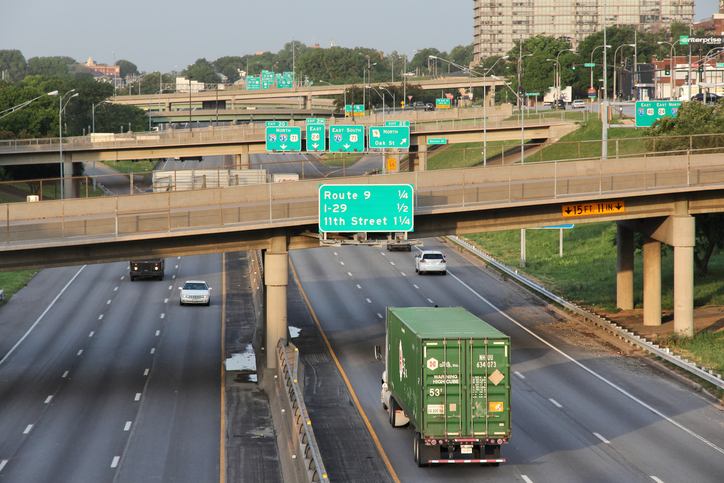
Truck crashes often cause catastrophic injuries and deaths, and the trucking company’s insurance often falls short of covering the losses. For referring attorneys, the key question is not just “Was the driver negligent?” but “What else went wrong?”
In a recent webinar, Langdon & Emison partner Kent Emison explained how product defects, missing safety features, and maintenance claims can open paths to recovery beyond the driver’s or carrier’s coverage.
Where Additional Claims Hide
- Vehicle defects: tire tread separations, fuel system fires, and weak cabs that crush in rollovers.
- Safety features: forward collision warning, rear and side underride guards, airbags, and escape hatches.
- Maintenance failures: brakes out of adjustment, improperly torqued lug nuts, worn bearings, and dirty or missing reflective tape.
These claims can bring in truck, trailer, and component manufacturers, aftermarket modifiers, owners, and repair shops.
Don’t Overlook the Truck Driver
These claims aren’t limited to injured motorists. Truck drivers can be clients too. Many large trucks don’t have the airbags drivers take for granted in their cars, and most cabs are made of aluminum rather than steel, so the roof can crush in a rollover. In a fire, few trucks have an escape hatch. When a truck driver is seriously hurt or killed, ask whether the truck itself made the injuries worse.
 Look Closely at Fires, Tires, and Brakes
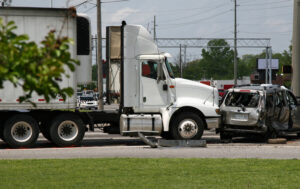
If a truck fire caused serious injury or death, there may be a case. Kent described a crash where a truck crossed the median and hit a pickup. It looked like a simple policy-limits case, but a closer look found a fuel system defect. Tank placement, shielding, fuel line routing, and battery location all matter. Tire failures deserve the same attention, especially on the steer axle, where a failure can cause immediate loss of control. In any loss-of-control or lane-violation crash, have the tires examined. With brakes, plan for an expert inspection soon after the crash, since law enforcement often doesn’t have time to check every component.
Follow the Wheel in Wheel-Off Crashes
When a wheel separates from a truck or trailer, the results can be deadly for anyone it strikes. These cases often point to more than one responsible party. Common causes include lug nuts torqued too tight or too loose, poorly cleaned wheels and hubs, and failed wheel bearings. Lug nut covers can also hide loose nuts during inspections. Look at who last worked on the wheel, such as a tire shop or maintenance company, along with the truck owner, the driver, and the parts manufacturer. Get the repair receipts and preserve the wheel, hub, and axle.
Check Visibility in Night Crashes
Visibility claims, also called conspicuity claims, are often missed. In a night crash, review the scene photos. Was the reflective tape dirty, faded, or missing? Were the lights blocked by mud or a loose tarp? Federal standards govern where reflective tape and lights must be placed, and trucking companies are expected to keep them clean and visible.
Act on Day One
Evidence disappears fast. Kent has seen trucking companies dispose of vehicles within 24 hours. Send preservation letters the day you’re retained, covering every vehicle, separated component, and tire fragment at the scene. Also, think carefully before settling with in-state defendants, since doing so can affect your choice between state and federal court.
A Resource for Your Case
A case that looks like a simple policy-limits case may involve much more. Langdon & Emison has represented truck crash victims for more than 30 years and works with referring counsel to investigate these claims. If you need a preservation letter or a second look at a case, contact our team.
Have a truck crash case on your desk? Before you settle for the policy limits, let our team take a look. We can help you identify product defects, safety features, and maintenance claims and get preservation letters out right away. Contact Langdon & Emison for a free evaluation to discuss your case.